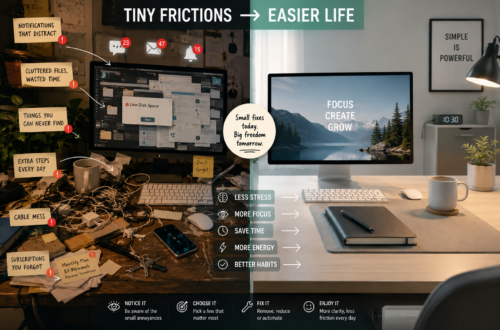

Distractions are often underestimated because they seem small and harmless. A quick notification, a short message, a glance at social media — none of these actions feel significant on their own. However, when combined throughout the day, they create a constant fragmentation of your attention that makes deep work almost impossible.
The real problem with distractions is not just the time they consume, but the mental energy they drain. Every time your focus is interrupted, your brain needs time to re-engage with the task. This process, often called “attention residue,” reduces your efficiency without you even noticing it. You may think you are multitasking, but in reality, you are constantly restarting.
One of the most effective ways to combat distractions is to create intentional barriers. This does not mean isolating yourself completely, but rather controlling when and how interruptions occur. Simple actions such as turning off non-essential notifications, setting specific times to check messages, and creating a dedicated work environment can drastically improve your ability to concentrate.
Another key factor is awareness. Many distractions are habits rather than necessities. Reaching for your phone, opening new tabs, or switching tasks often happens automatically. By recognizing these patterns, you can begin to replace them with more productive behaviors.
Ultimately, focus is not something you find — it is something you protect. The more you reduce unnecessary interruptions, the more your mind can operate at its full potential.